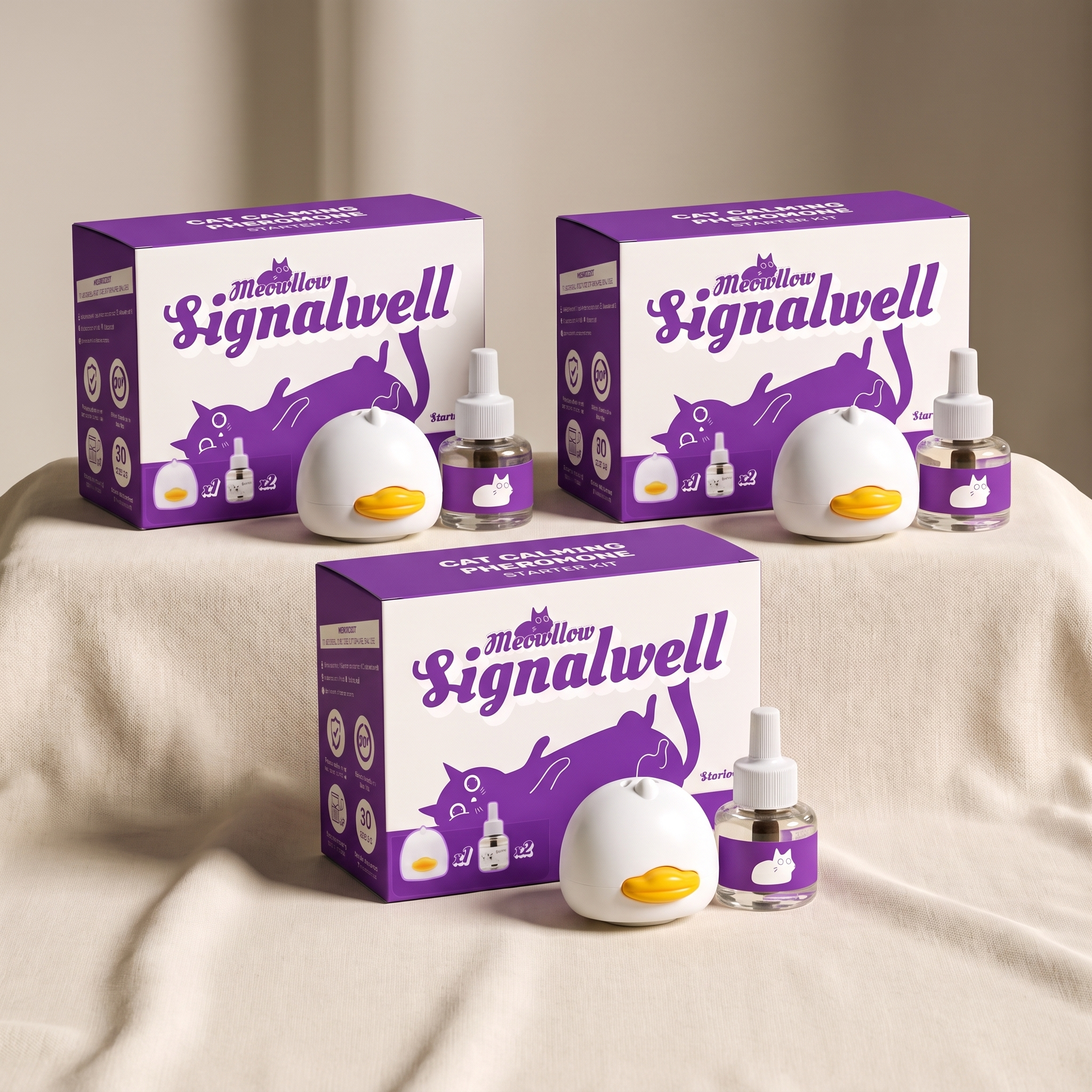
Two Cats Who Stopped Getting Along Can Learn To Share a Room Again
A vet visit. A new kitten. A move. Something changed how they smell to each other, and now there's hissing at the doorway, food-bowl standoffs, or a cat who won't come out from under the bed. That's not who they are. Here's what's happening, and what it takes to bring the peace back.
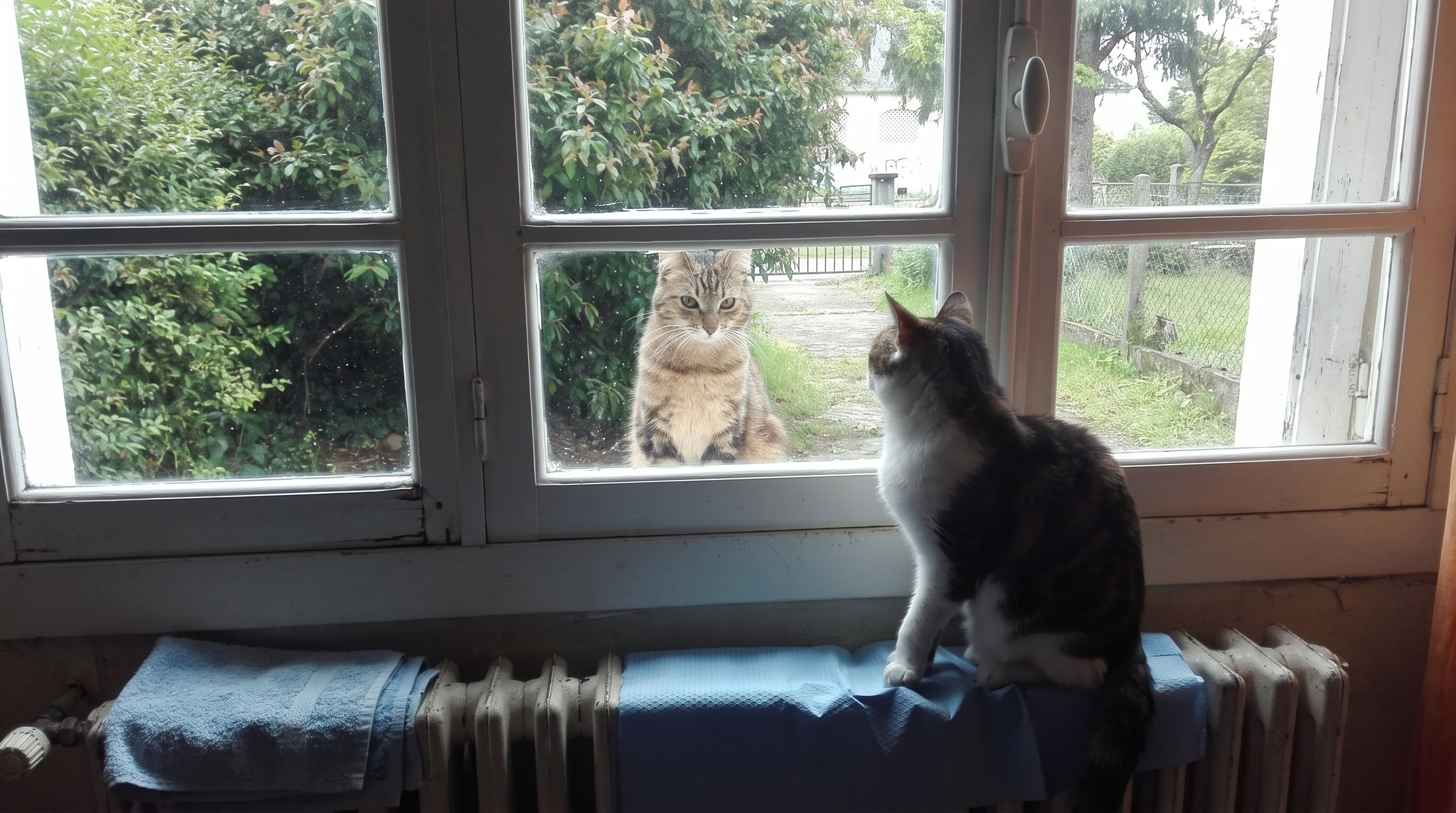
It usually starts the same way.
One of them comes back from the vet smelling like the exam room, and the other one attacks on sight. Or a new kitten shows up and the resident cat won't come downstairs anymore. Or nothing happened at all, as far as you can tell, and one day they just can't be in the same room.
You've probably already separated them. Fed them apart. Watched the food bowl become a battleground. Lost sleep to the yowling at 2am through the door.
Take the 60-Second Home QuizYou've Probably Tried Some of This Already. Here's Why It Didn't Hold.
A second litter box.
Helps with elimination habits. Does nothing for two cats who don't trust each other's scent yet.
A single plug-in diffuser.
Covers about one room. If it's in the living room and the standoff happens at the bedroom door, it was never in the fight.
Keeping them separated behind a door.
Prevents the fighting but doesn't resolve it: the second the door opens, you're back where you started.
An enzyme cleaner and a deep clean.
Handles the mess. The tension that caused it is still there.
Just giving it time.
Sometimes works. Often the two of them just learn to avoid each other permanently instead, which is technically no more fighting, and no more relationship either.
Cats Don't Fight Out of Spite. They Fight Over a Broken Signal.
Cats don't build trust with each other through time alone. They build it through scent: facial marking, head-rubbing on doorframes and each other, a shared chemical signature that says we both belong here. When one of them comes home smelling like a vet clinic, or a new cat's scent hasn't been folded into the house yet, that signature breaks. To your cat, the other one currently smells like a stranger in her territory.
That's why the fighting can start overnight with no warning, and why "give them time" alone doesn't fix it: there's nothing rebuilding the signal in the meantime.
What Signalwell supports:
A French Vet Spent Ten Years Figuring Out What This Is
In the late 1980s, Dr. Patrick Pageat at IRSEA in France identified the chemical signature cats leave behind when they rub their face on a doorframe, a chair leg, or each other. In 1996 he patented a synthetic version of it. Cats don't process this signal the way they process a normal smell. It goes through a separate organ above the roof of the mouth, straight to the part of the brain that governs safety and stress, without passing through anything a sedative would touch.
Signalwell puts that signal back in the room. It isn't a sedative, and it isn't something you or the cats will smell. It's the one message both cats are currently missing: this territory is already claimed, and it's safe to share.
Take the 60-Second Home Quiz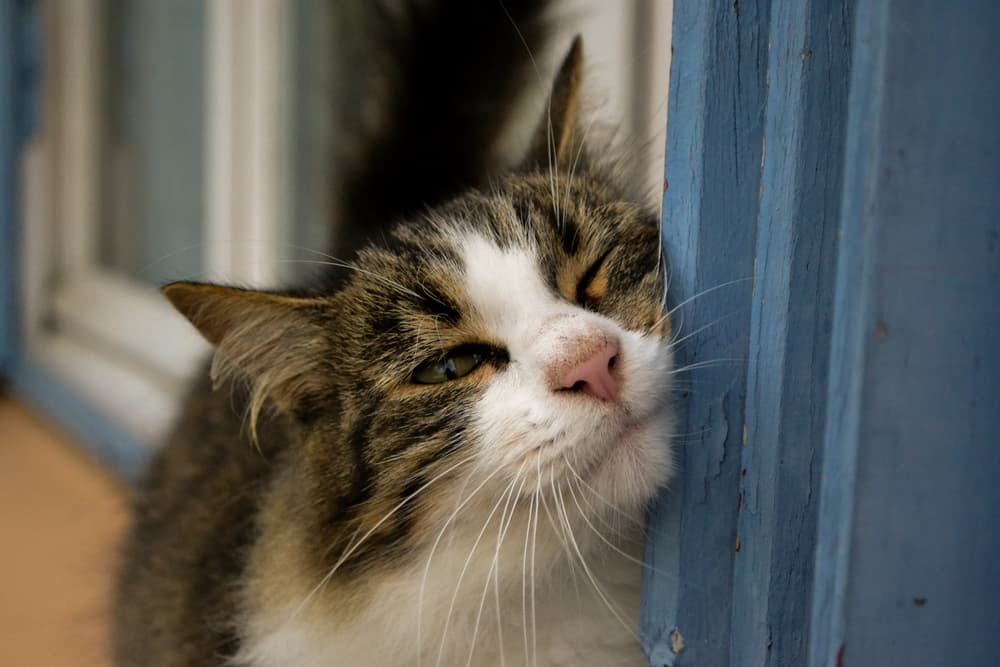
Set Up in Under a Minute
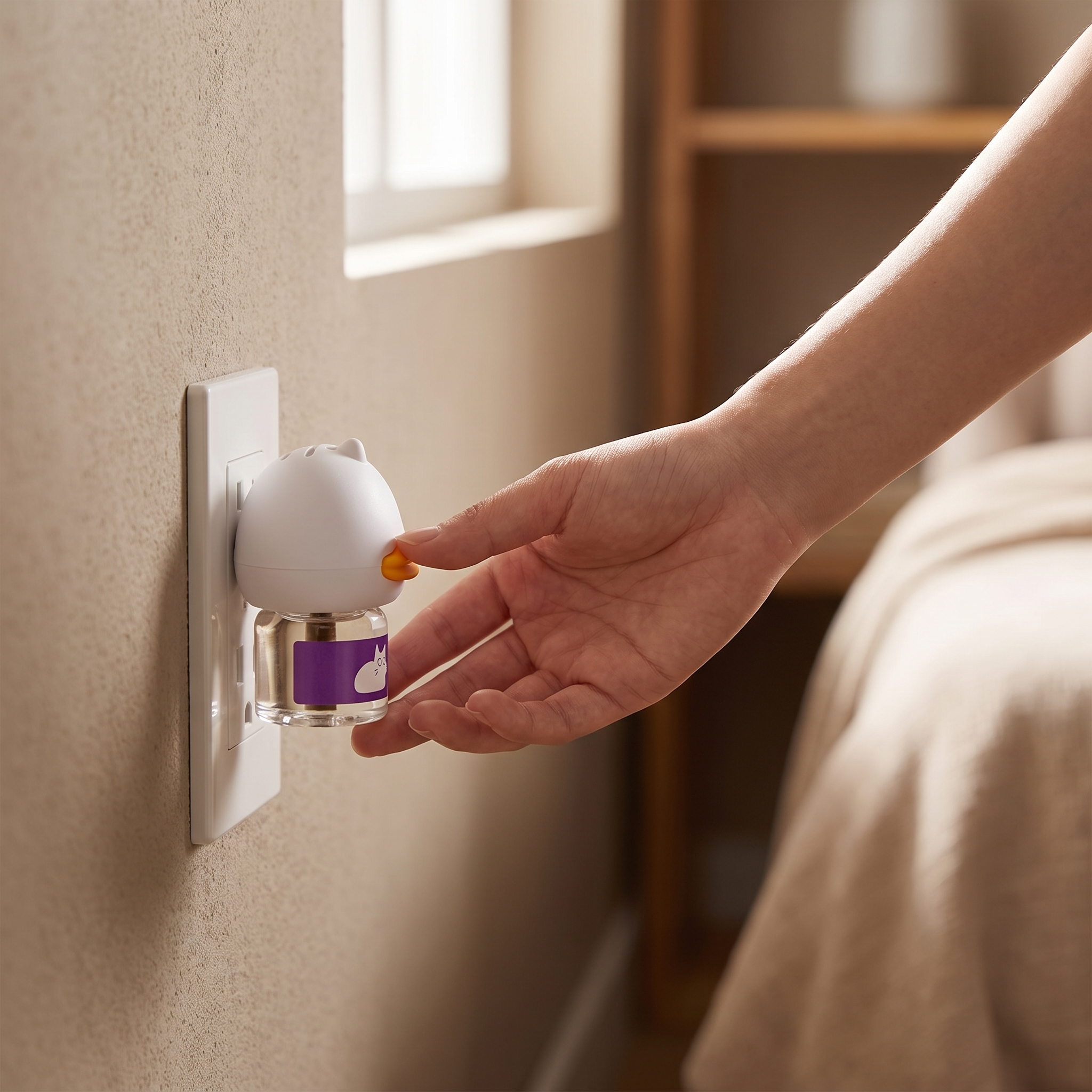
Unplug the empty vial.
Remove the old refill from the diffuser head.
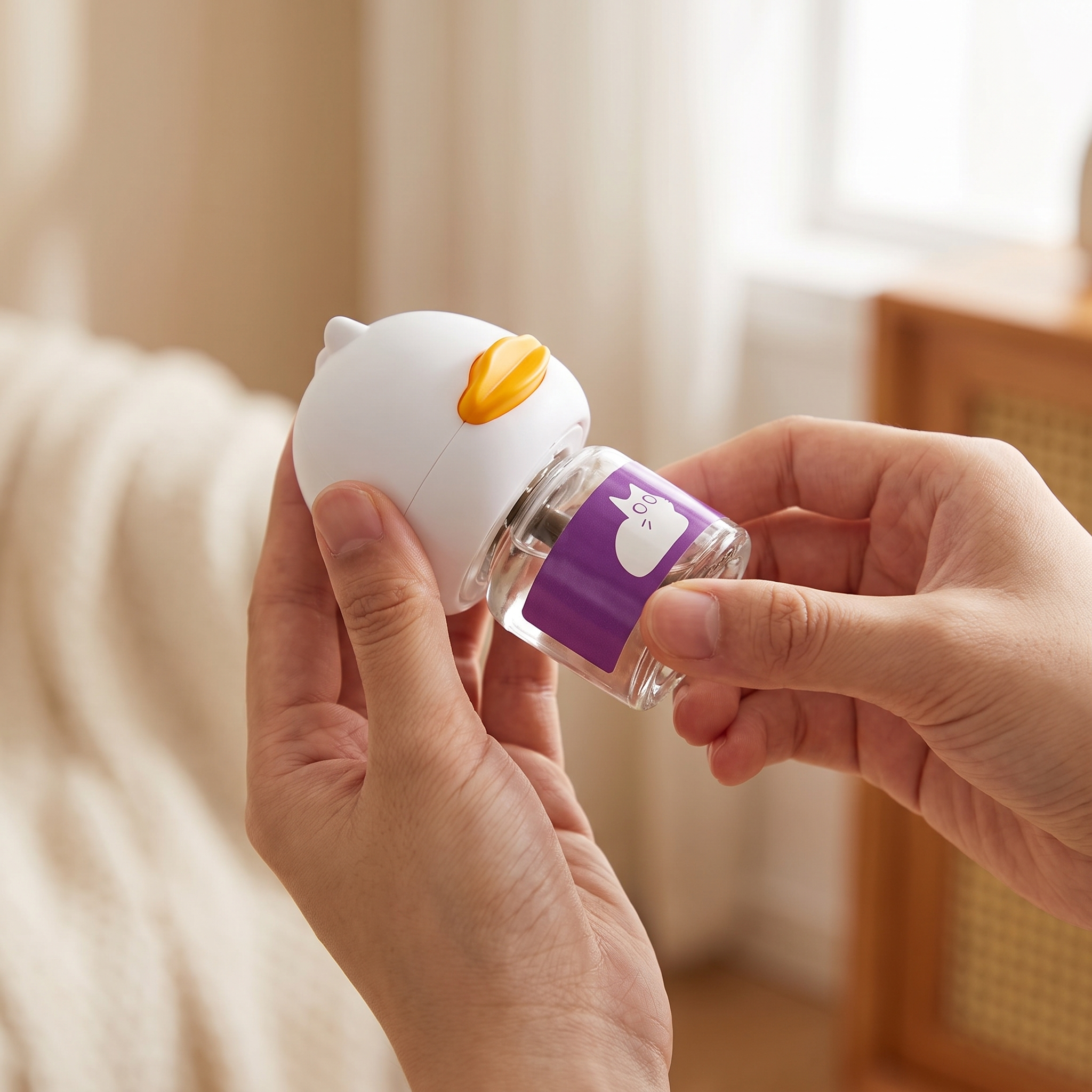
Insert the new refill.
Screw a fresh vial in until it seats.
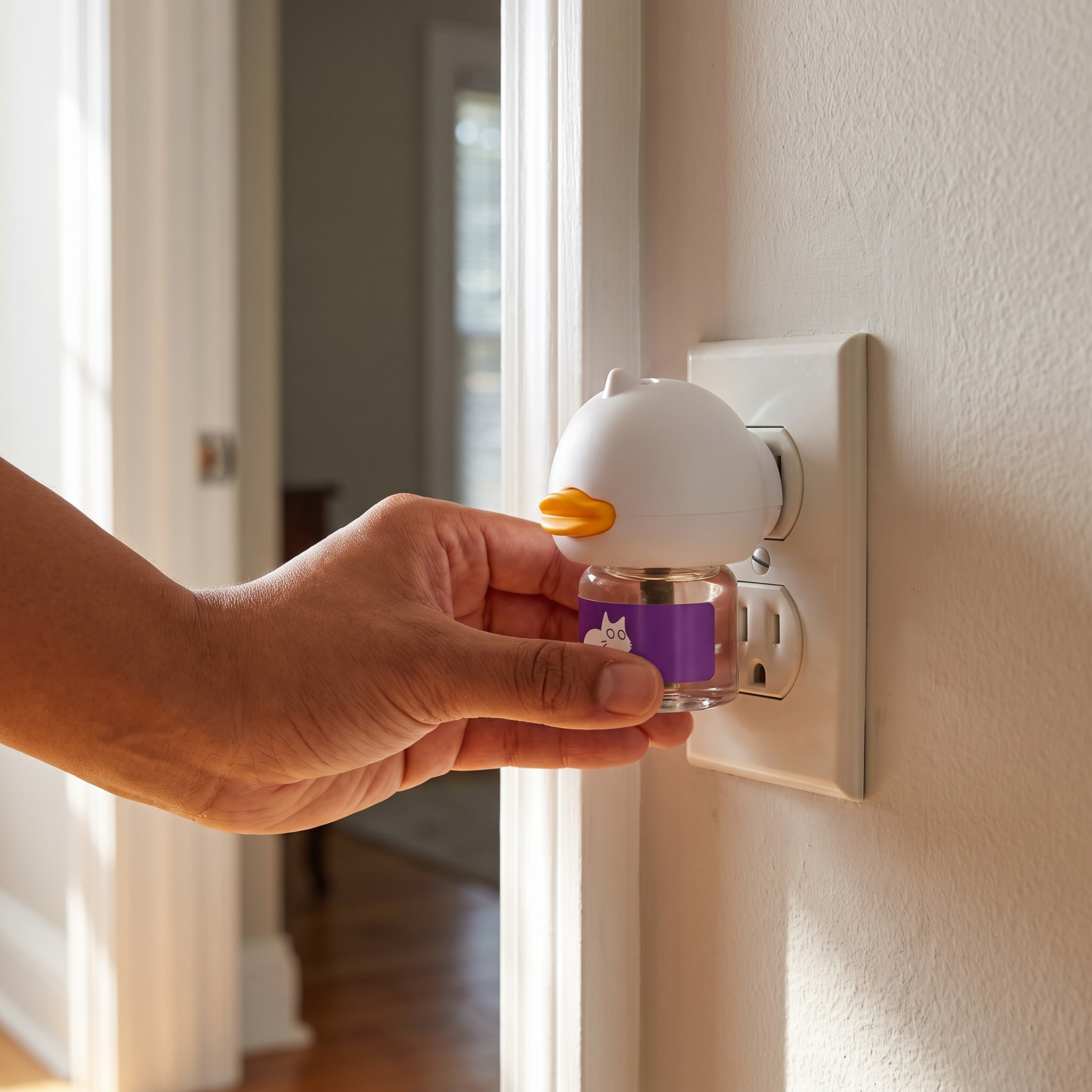
Plug in where they clash.
The doorway between their territories, near the food bowls, or outside whoever's currently hiding.
Keep it upright. The diffuser head sits above the vial, never sideways or upside down.
It's Working in Homes Like Yours
"My older cat hissed at the younger one for days after a vet trip. A week in, they were sleeping on the same bed again."
"The kitten and my resident cat could not be in the same room. One unit by the door, one in the bedroom, and the ambushes stopped by week two."
"One of mine was guarding the food and terrorizing the other. They eat in the same room now."
Why It Sometimes Stops Working, and How This One Doesn't
The most common complaint with diffusers is that they worked, then quietly stopped, usually because the vial ran dry with no way to tell. The tension creeps back in at exactly the moment nobody's watching for it.
Every Signalwell refill is dated at fill, so you know it's live instead of finding out three weeks late. Cancel or adjust the refill plan in one click. It's never a trap.
Built for Two Cats, Not One Room
A Calmer House Within About Two Weeks
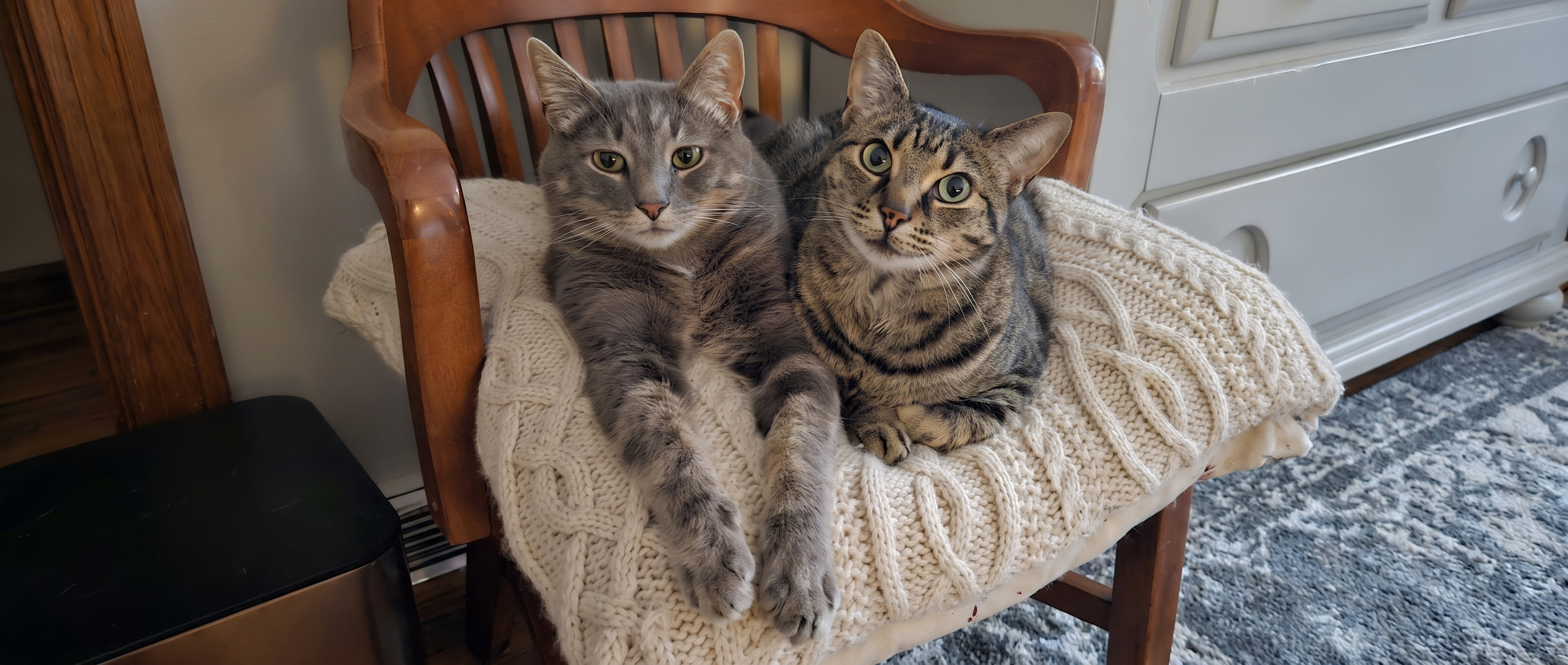
Less hissing.
Fewer ambushes at doorways, longer quiet stretches.
Sharing space.
Cats pass each other and eat in the same room without a standoff.
Settled.
A steadier truce as the shared scent holds.
A support, not an on-off switch. Results vary by cat.
Questions, Answered
Most two-cat homes need one unit per territory: usually the doorway between them and wherever the more anxious cat retreats to. The quiz will tell you exactly where.
The formula is pheromone analogues with no high-concern chemicals, and it diffuses at a level neither you nor the cats will smell. Store the vials somewhere cool and ventilated, away from children and open flames.
The liquid itself isn't meant to be handled. If a vial is swallowed or the liquid gets in someone's eyes, flush the eyes with clean water for several minutes and contact a doctor or vet if anything seems serious.
No. It doesn't touch the nervous system the way a sedative does. It works through a separate scent pathway cats already use to read safety. Think of it less like medication, more like a nightlight: it doesn't cure the dark, it just makes the room survivable.
Most likely it was covering one room while your cats' actual conflict was happening somewhere else, or it ran dry without you knowing. Signalwell is sized and placed to your specific home, and the refills are dated so you're never guessing.
Choose Your Coverage
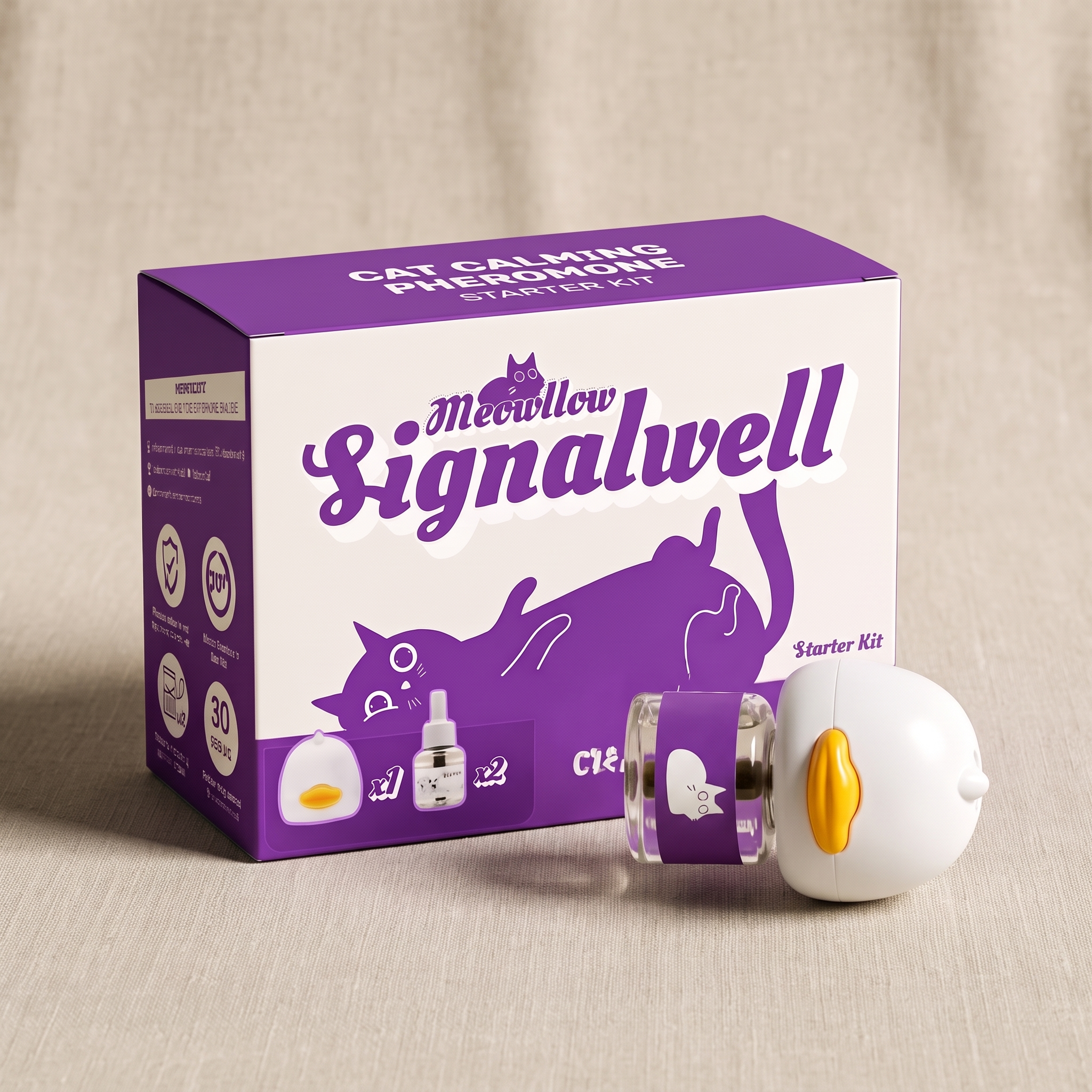
1 Diffuser
One Room, 2 Refills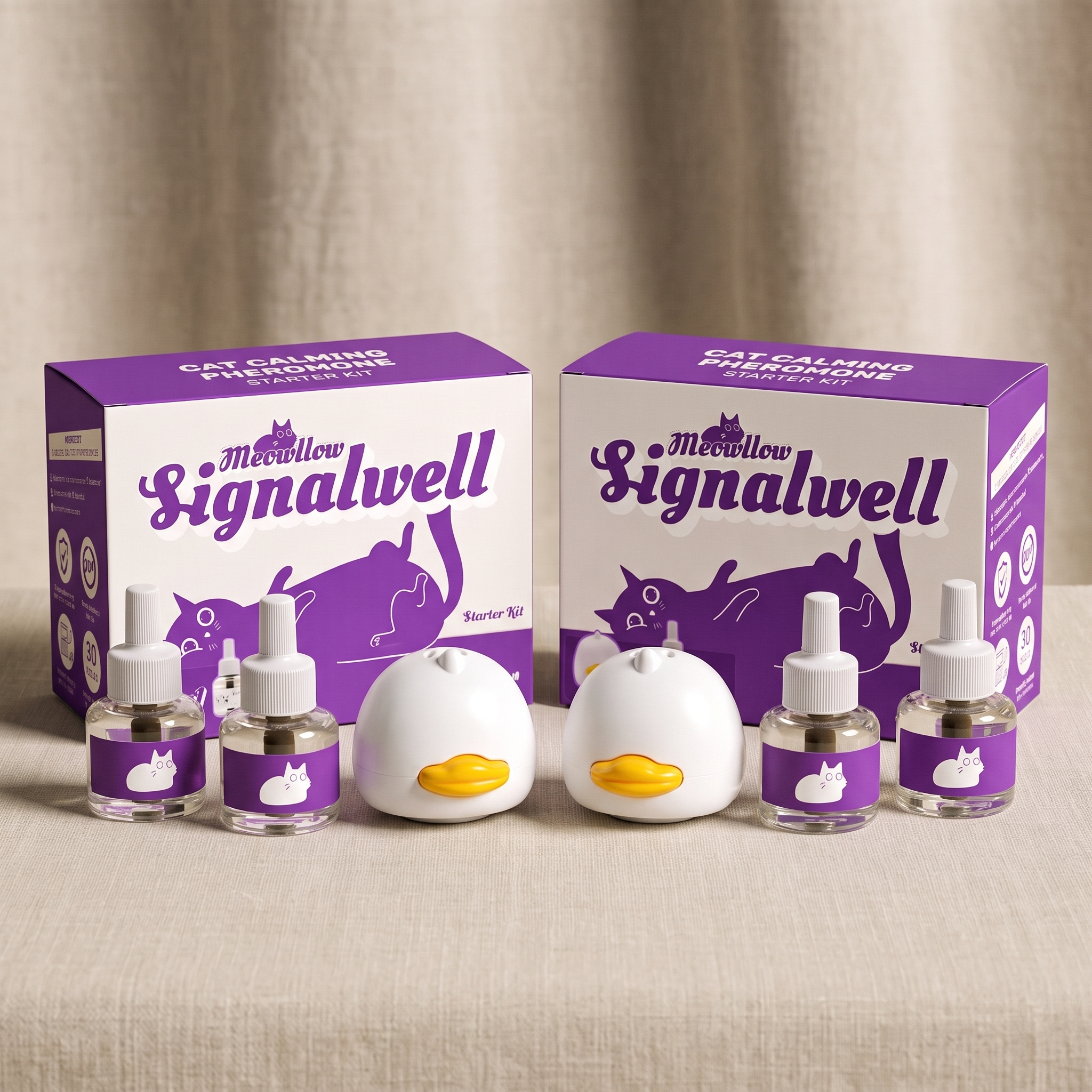
2 Diffusers
★ Most Popular